
You find the dress. It's close — really close. The color is right, the silhouette is right, and the price feels manageable. You order it in your size and tell yourself the fit will be fine, or that alterations are just part of the process.
They are part of the process. The question is how much of the process, and what it actually costs when you add it all up.
The alteration bill for a formal gown is one of the most consistently underestimated expenses in getting dressed for an event. This article breaks down what each alteration actually costs — with data from pricing guides and tailoring services across the United States — so you can make a fully informed decision before you buy.
Sources: The Knot, Zola, Airtasker US (2025–2026 data)
Why Formal Gowns Are the Most Expensive to Alter
Not all alterations are equal. A hem on a cotton sundress costs around $20. The same hem on a beaded formal gown with multiple layers of structured lining can cost $150 to $500 — sometimes more. The difference comes down to construction.
Formal gowns are built with layers: an outer layer, a lining, and often a structured underlayer or boning. Every one of those layers has to be touched individually for most alterations. Add beading, lace appliqué, or embroidery, and a tailor has to work around each detail by hand to avoid damage. That labor is billable — and it adds up fast.
According to Airtasker's 2026 US pricing data, altering dresses with heavy embellishments such as beads, sequins, and embroidery can cost more than $145 for a single adjustment. For full gown work involving multiple alterations, the total can easily reach $400 or more.
What Each Alteration Actually Costs
Here is a realistic breakdown of the most common formal gown alterations, based on published pricing from US tailoring services and consumer pricing data.
| Alteration | Simple Gown | Formal / Layered Gown |
|---|---|---|
| Hem (shorten length) | $50–$150 | $150–$500 |
| Take in bodice / waist | $100–$200 | $200–$400 |
| Take in hips / sides | $75–$150 | $150–$300 |
| Strap adjustment | $20–$50 | $50–$120 |
| Bustle addition | $60–$100 | $100–$200 |
| Let out seams (size up) | $75–$150 | $150–$250 |
| Zipper replacement | $50–$100 | $100–$200 |
Sources: Airtasker US (2026), Zola, The Knot, Sophia's Bridal & Tux, Alterations Express
The reality is that most women ordering a formal gown off the rack need more than one alteration. A dress that fits through the bust rarely fits through the waist and hips in exactly the same proportion. Getting the length right often requires touching the hem. And once a hem is altered, the lining usually has to be adjusted to match.
"Standard alterations run $300 to $800 for most formal gowns, with complete alteration packages for brides typically falling between $500 and $700."
— Zola Expert Wedding Advice
Location Makes a Significant Difference
Where you live has a direct effect on what alterations cost. According to Airtasker's 2026 pricing data, the same hem that runs $100–$150 in a mid-sized city can cost $200–$300 in New York City or Los Angeles. Urban markets have higher overhead costs and higher demand during peak season — which means tailors can charge more, and often do.
Spring is peak season everywhere. Prom season runs March through June. Wedding season runs May through October. During those months, even in smaller markets, alteration turnaround times stretch out and rush fees apply. Some tailors charge 20–50% more for rush jobs within two weeks of an event.
The Hidden Costs Nobody Mentions
The line items on a tailor's invoice are not the full cost of getting a gown altered. There are several expenses that rarely appear in any pricing guide but are real and frequent.
Multiple fitting appointments. A formal gown alteration typically requires three to five in-person fittings — an initial assessment, interim fittings as the work progresses, and a final check. If your tailor isn't within easy driving distance, you're spending time and transportation costs on each visit.
Pressing and steaming. After alterations, a formal gown often needs professional pressing to remove the fold marks and reshape the fabric. That's typically $30–$75 on top of the alteration cost.
Dry cleaning. Many tailors require that a gown be professionally cleaned before they'll work on it, particularly for pre-owned dresses. And most recommend dry cleaning again after alterations are complete. Add $50–$150 for each round.
Corrections. Not every alteration goes right the first time. If the hem is uneven or the bodice takes too much in, a correction visit adds time — and sometimes additional cost.
By the time all of this is totaled, the effective cost of altering an off-the-rack formal gown to fit properly is frequently $400–$800, and for more elaborate gowns — particularly beaded or multi-layered styles — it can exceed $1,000.
Prom Dresses: The Same Problem at a Younger Budget
Prom dress alterations follow the same logic, with the same painful math. According to Cheung's Tailor, a specialist in formal wear, prom dress alteration costs range from $35 to $400 depending on the work involved — with hemming on a multi-layer gown running $150 to $450 on its own. A full alteration package covering hem, bodice, and straps can approach or exceed the original cost of a mid-range prom dress.
The pressure is particularly acute for prom because the dress is usually ordered months in advance, and the buyer's body may change slightly between ordering and the event. That means the alterations needed at pickup can be different from — and more extensive than — anyone anticipated when the dress was purchased.
The Comparison: Off the Rack vs. Made to Measure
When you add the real cost of alterations to the purchase price of an off-the-rack gown, the math changes considerably. Here's what that comparison actually looks like.
This isn't a case where the numbers are being stretched to make a point. The $300–$800 alteration cost range comes from The Knot, Zola, and Airtasker — consumer-facing price guides with no stake in where you buy your gown. The comparison is real.
Made-to-measure is not inherently expensive. It's the approach that was always used before mass manufacturing made standard sizing the default. What's changed is that custom tailoring has become associated with luxury pricing — when in fact the alternative (buy cheap, alter extensively) is often the more expensive path.
Three Gowns. No Alterations.
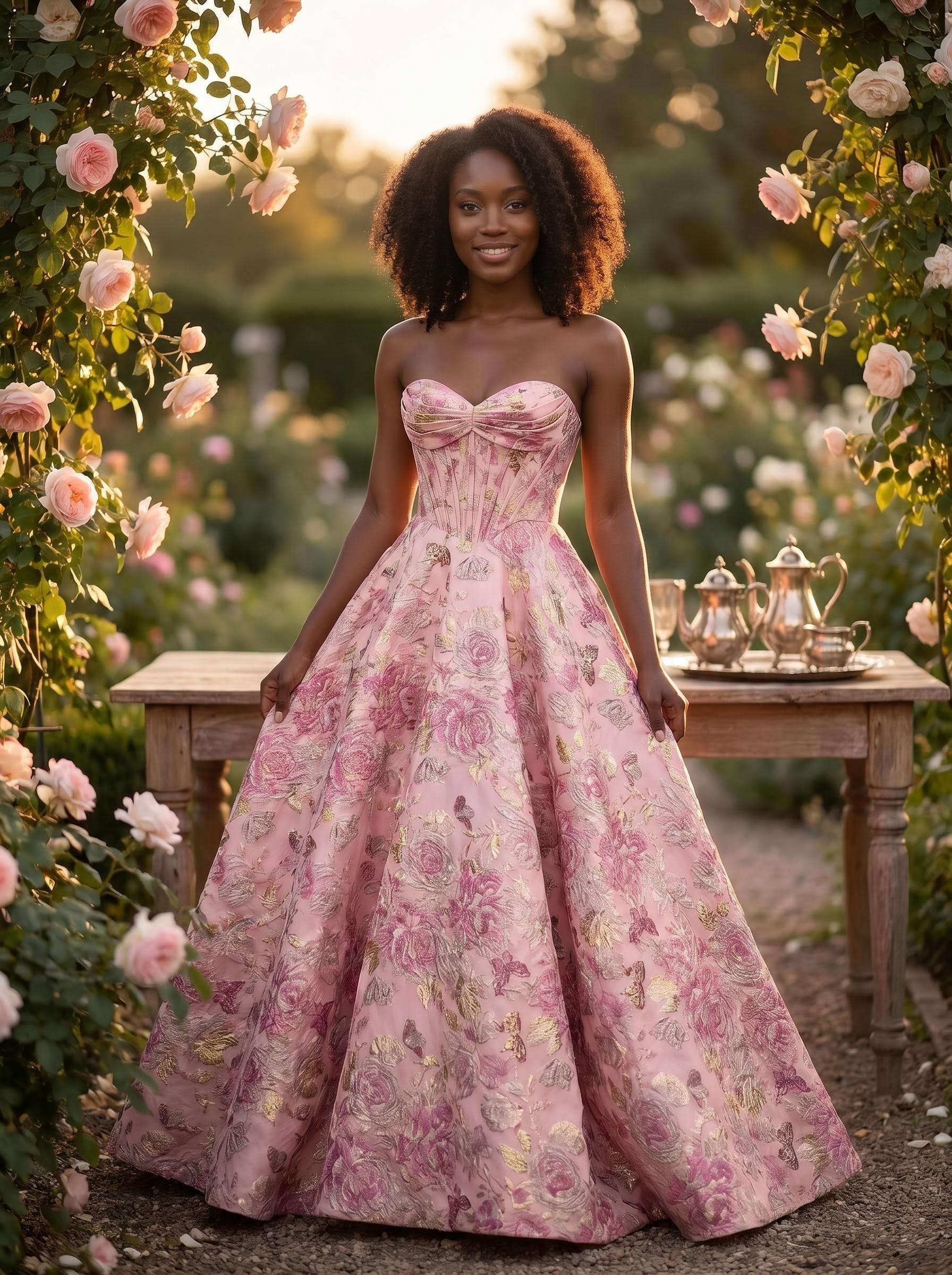
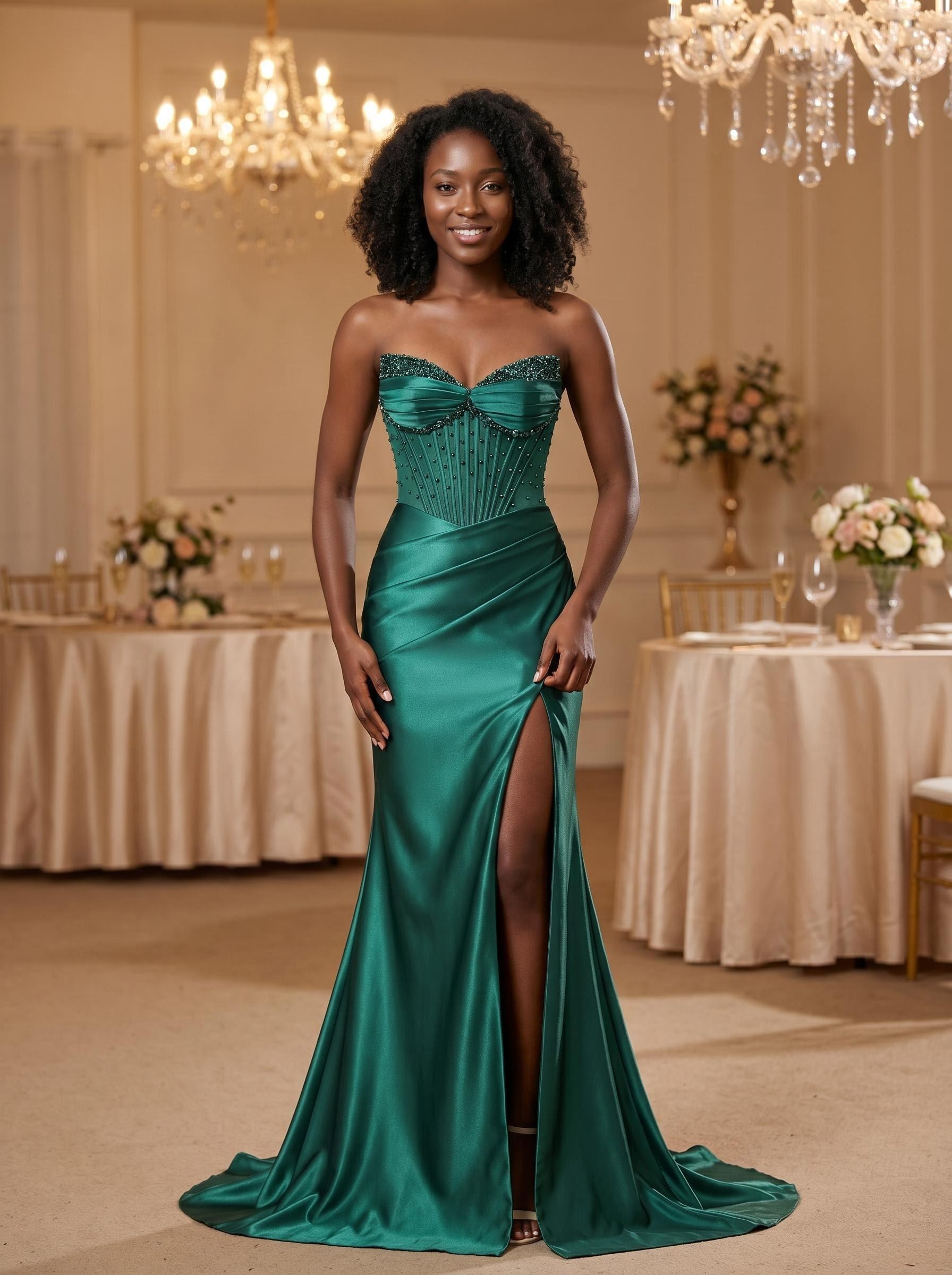
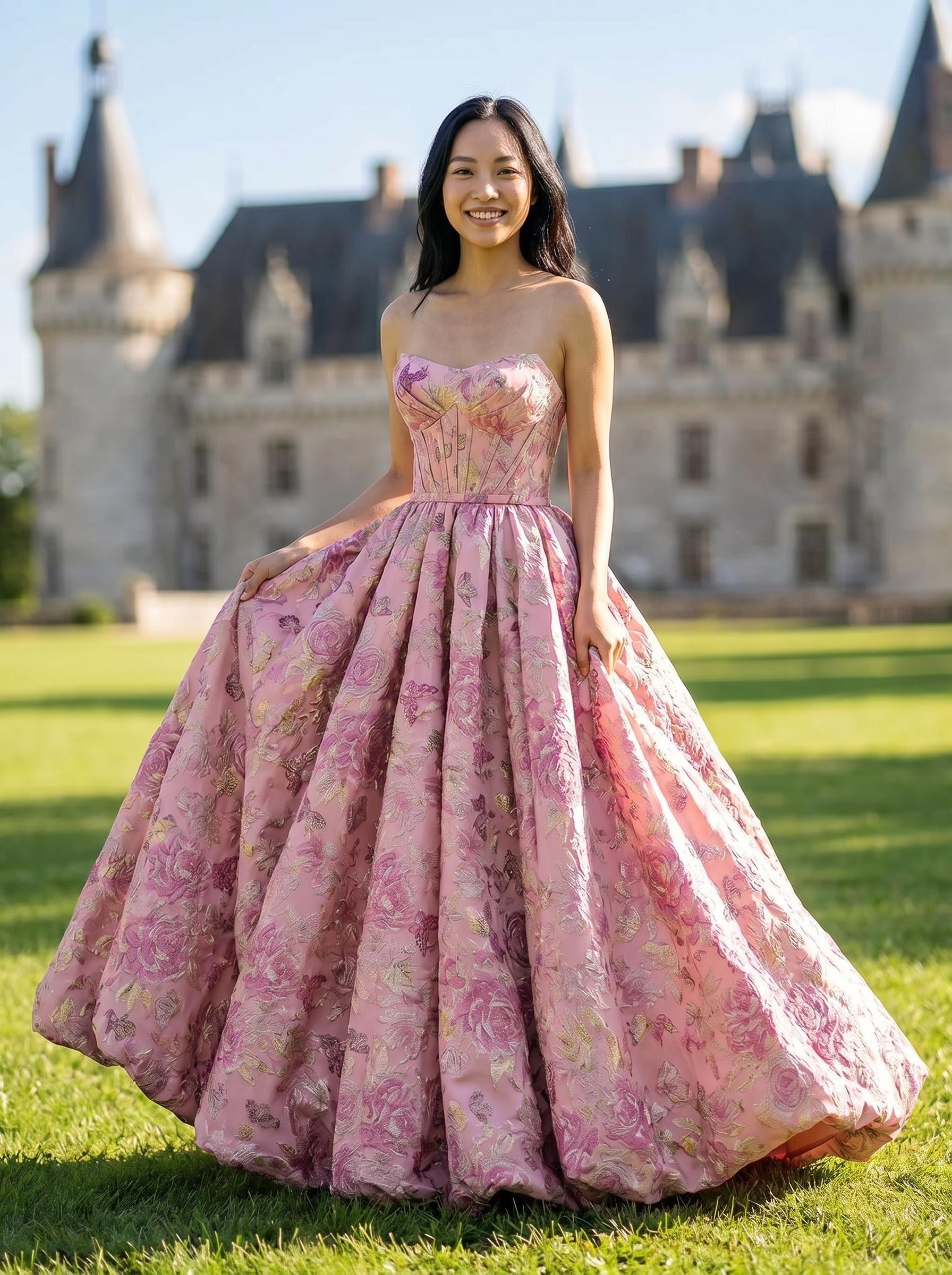
Every gown in the MashTiger collection is made to your five measurements — bust, waist, hips, height, and shoulder-to-floor length. The gown is cut for your body from the start. It arrives ready to wear.
Skip the Alteration Appointment
Five measurements at checkout. A gown made to fit. Ships within the US in 3–4 weeks.
Browse the Collection