Shopping for a plus size formal gown often turns into a familiar compromise: the bust fits but the waist gaps, the hips fit but the bodice pulls, or the dress technically zips but never feels secure enough for a full evening. That is why plus size formal gown custom measurements matter. The goal is not to hide curves or force the body into a standard chart. The goal is to place the neckline, waist, hip, support, and hem where they actually belong.
This guide explains how custom measurements help plus size formal gowns fit better, which measurements matter most, what silhouettes usually work, and how to avoid the alteration cycle that makes formalwear feel stressful before the event even begins.
- Custom measurements help solve bust, waist, hip, length, and support issues at the same time.
- Ordering a larger standard size usually creates new fit problems in the shoulder, neckline, or hem.
- A-line, structured ball gowns, empire waist gowns, and supported mermaid gowns can all work well.
- Fabric and bodice structure matter as much as tag size.
- Made-to-measure sizing can reduce alteration costs because the gown starts closer to the real body.
Why Plus Size Formal Gowns Need More Than a Larger Size
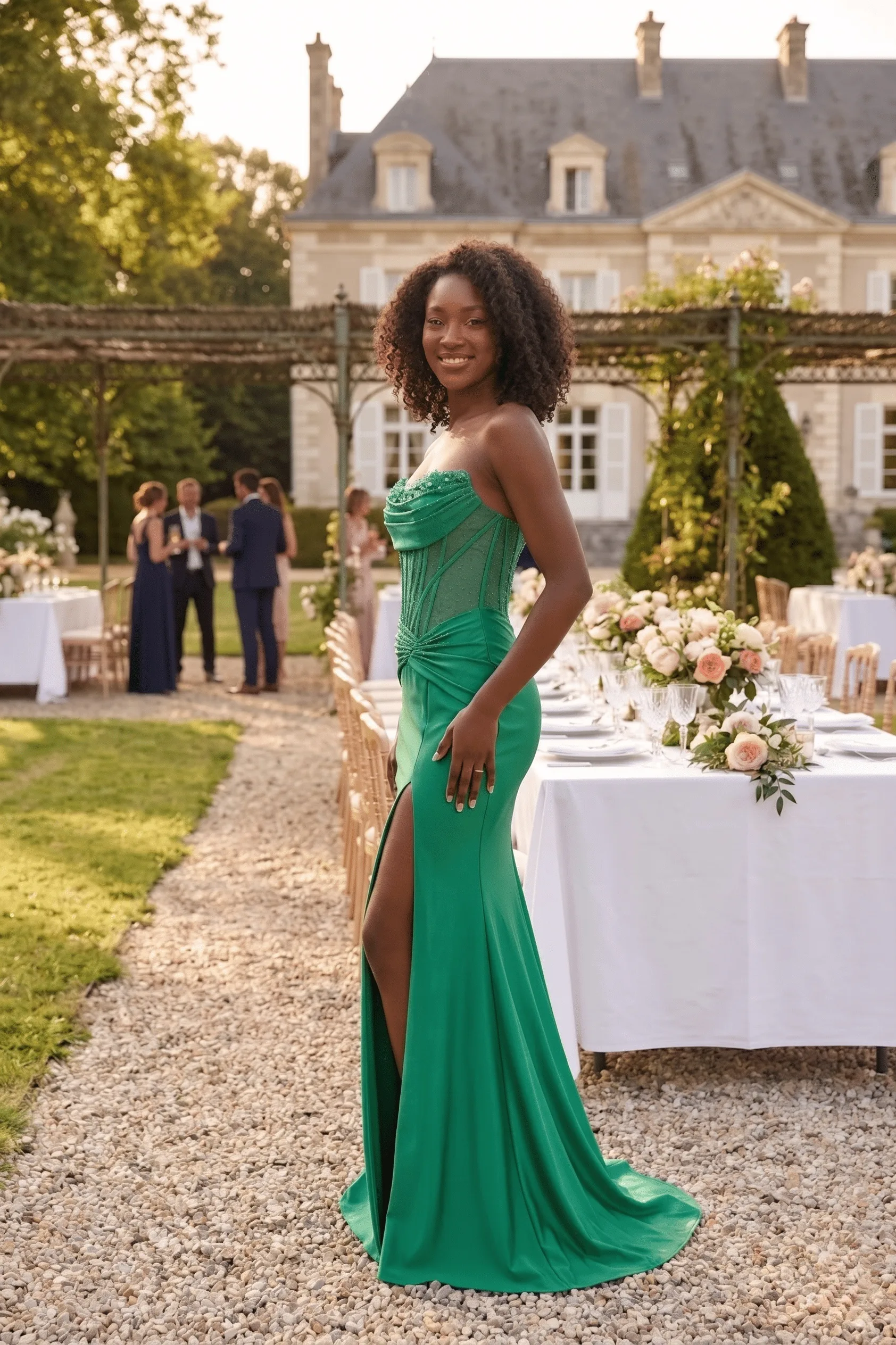
The problem with standard sizing is that it scales a dress up evenly, but bodies do not scale evenly. A plus size shopper may have a fuller bust, a smaller waist, a longer torso, fuller hips, broader shoulders, or a different height than the fit model used to create the size chart. When a gown is only made larger, the proportions often move in the wrong places.
That is why a plus size formal gown can feel wrong even when the listed measurements seem close. The neckline may sit too wide, the straps may slip, the waist seam may land too high, or the skirt may pull at the hip while looking loose elsewhere. A custom measurement approach treats those as separate fit questions instead of assuming one larger size can answer all of them.
The Measurements That Matter Most
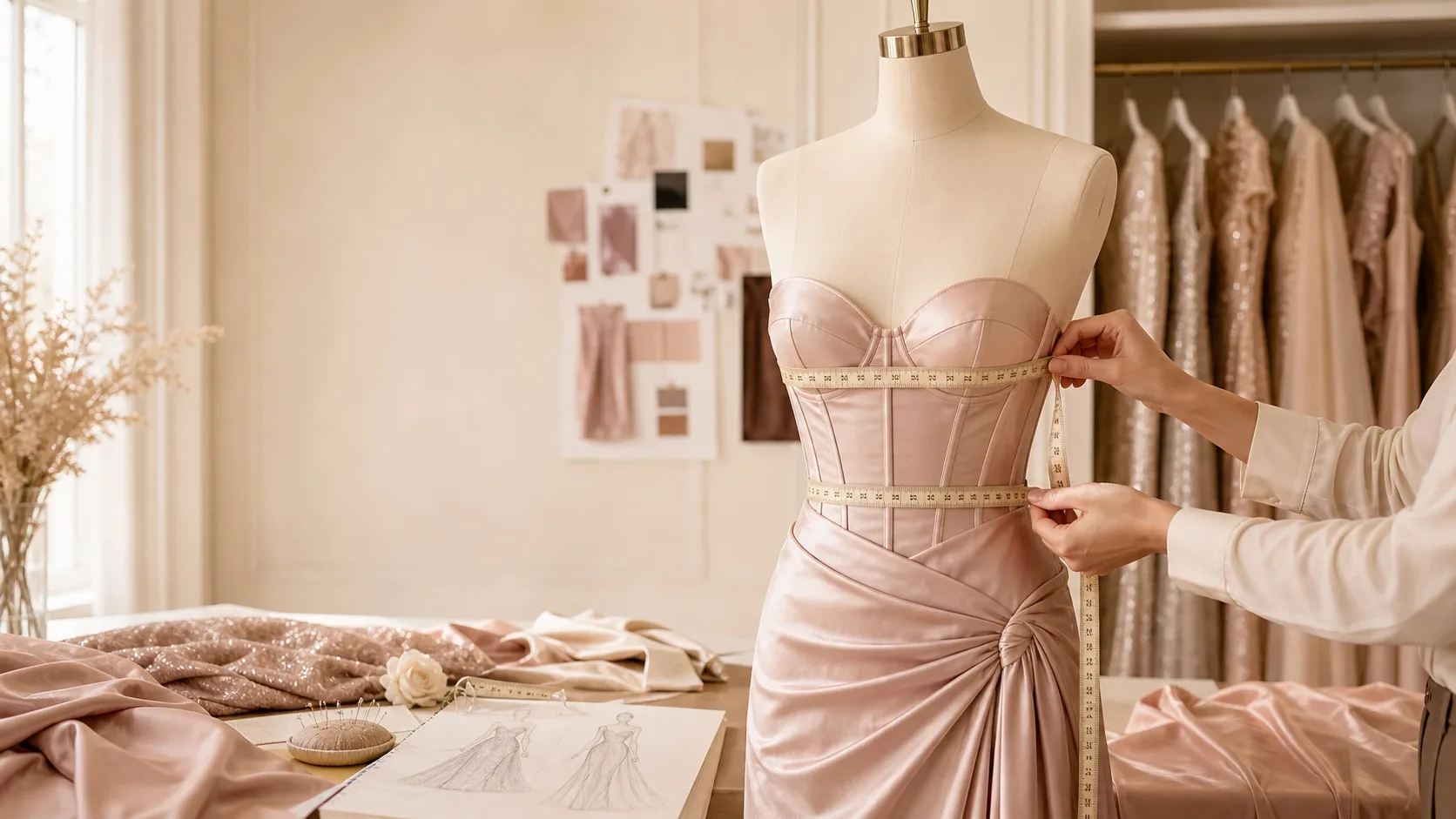
For a plus size custom gown, the most important measurements are bust, waist, hips, height, shoulder-to-floor length, and heel height. Bust measurement helps determine bodice width and support. Waist measurement controls where the gown anchors. Hip measurement matters for mermaid, sheath, column, and fitted A-line styles. Shoulder-to-floor length determines how the gown falls from the body instead of simply adding fabric at the hem.
The best measurement process is calm and practical. Use a soft tape, stand naturally, and measure over the undergarments closest to what you plan to wear. Do not pull the tape tight to make the number smaller. A gown can only fit the real measurement. If you are between numbers, it is better to submit the accurate one and let the gown be cut around it.
- Bust: measure around the fullest part without compressing.
- Waist: measure the natural waist, not where jeans sit.
- Hips: measure around the fullest part of the hip and seat.
- Height: include your full standing height.
- Shoulder to floor: measure with planned heel height when possible.
If you want step-by-step measuring help, start with our custom gown measurement guide.
Best Silhouettes for Plus Size Formal Gowns
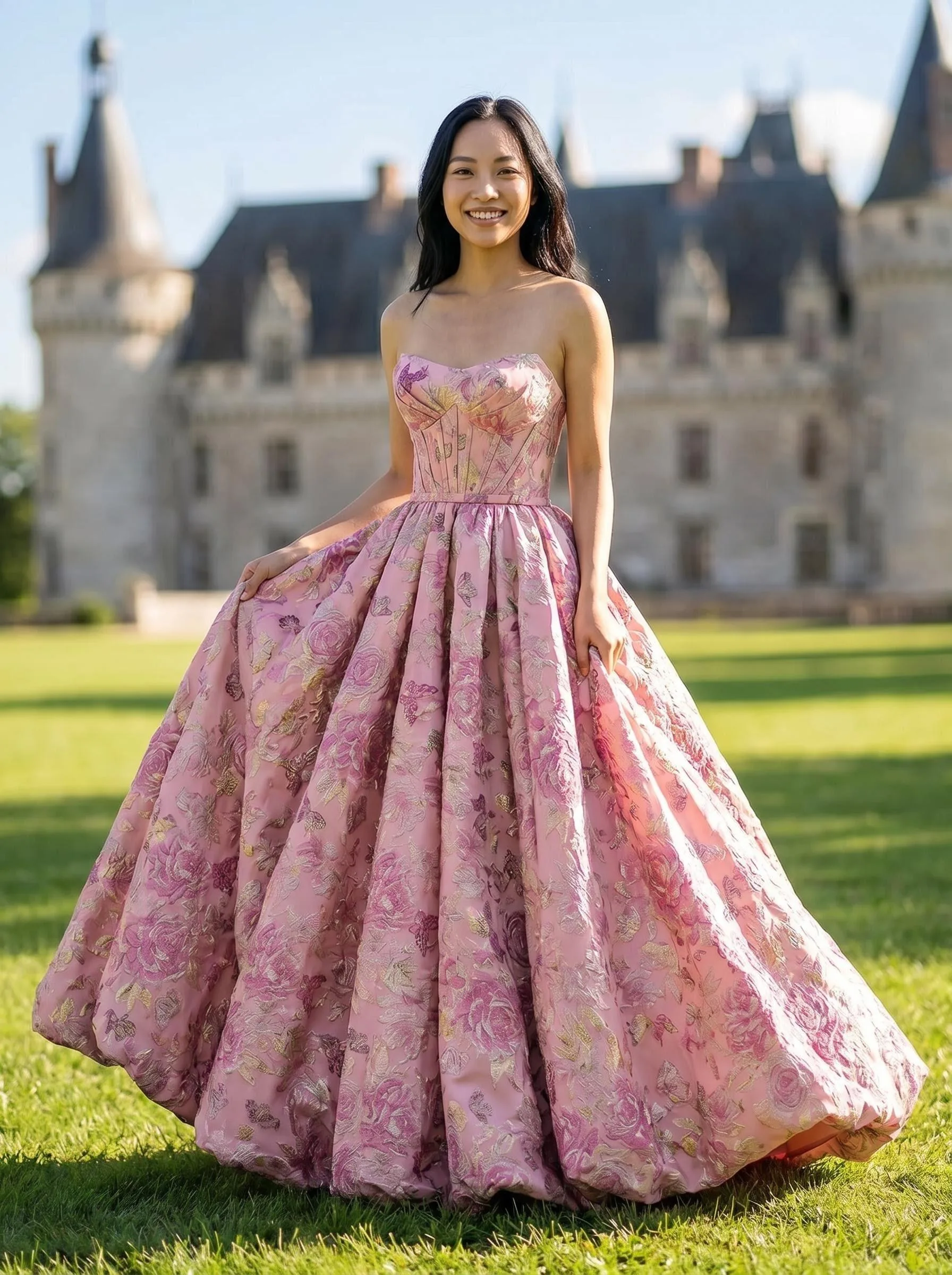
The best plus size formal gown silhouette depends on where you want structure, movement, and visual balance. A-line gowns are often the easiest starting point because they define the bodice and waist while giving the skirt room to move. Structured ball gowns can also work beautifully because the volume feels intentional when the bodice is cut correctly.
Empire waist gowns can be helpful when you want softness through the waist and hip area, especially for wedding guest looks or romantic formal events. Mermaid gowns can work too, but they need more precise hip and thigh measurements so the fitted section feels secure instead of restrictive. The key is not avoiding shape. The key is choosing shape with enough support and enough room where the body actually needs it.
Bust Support and Bodice Structure
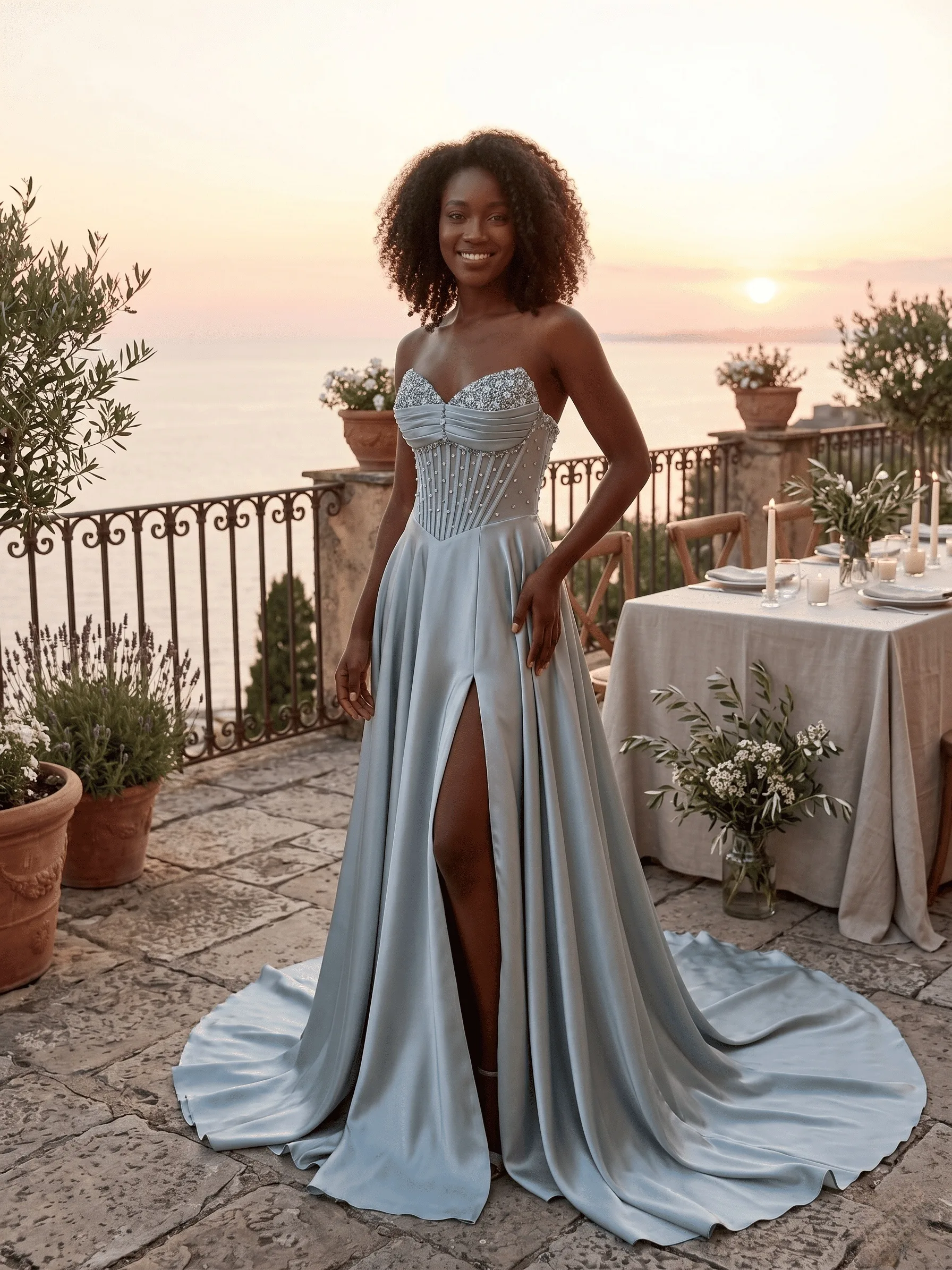
Bust support is one of the biggest reasons plus size shoppers struggle with off-the-rack formal gowns. A dress may technically close, but the bust shaping can sit too high, too low, or too shallow. That affects comfort, neckline security, and how confident the gown feels while walking, dancing, sitting, or taking photos.
A custom gown can use the bust measurement together with waist, torso, and neckline placement so the bodice supports instead of pulling. Corset-style bodices, lace-up backs, wider straps, structured sweetheart necklines, and well-placed boning can all help, depending on the design. The point is not to make the gown tighter. The point is to make the support land where the body needs it.
Length, Hip Fit, and Comfort Through the Evening
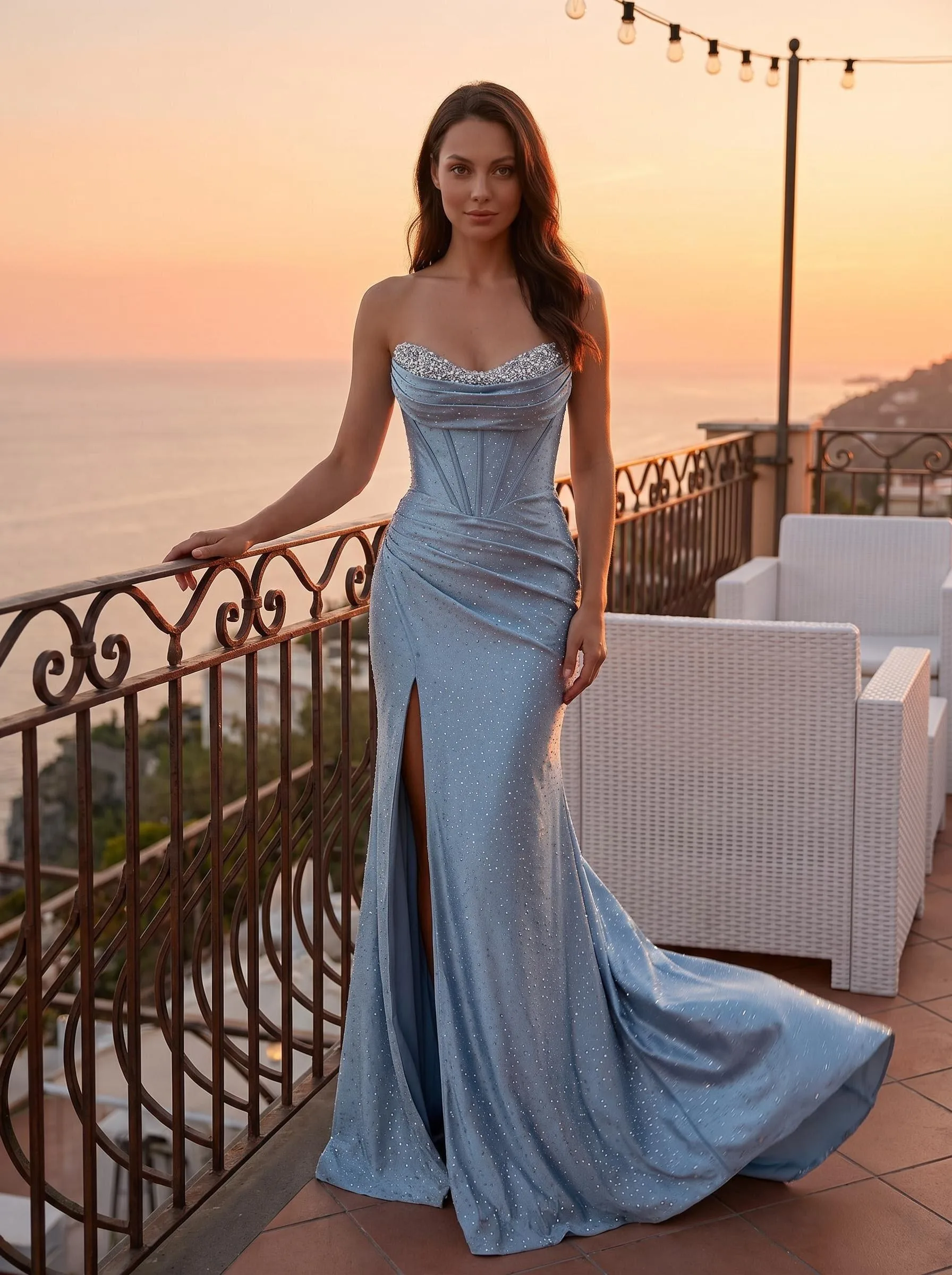
Length and hip fit matter because formal gowns are worn in motion. A floor-length gown should account for height and shoes. A fitted skirt should give enough room through the hip and seat so the wearer can sit, walk, and dance without constantly adjusting the dress. If the gown is ordered only by bust or waist size, these details are easy to miss.
Custom measurements help the gown balance the whole body. Shoulder-to-floor measurement keeps the hem from becoming accidentally short. Hip measurement helps fitted styles avoid pulling. Waist placement keeps the dress anchored. When all of those details work together, the gown looks cleaner and feels easier to wear.
One verified buyer said her dress matched the photos, fit perfectly, and needed no alterations because it was made to her measurements - Paula, verified buyer via Etsy
Fabrics That Work Better for Curves
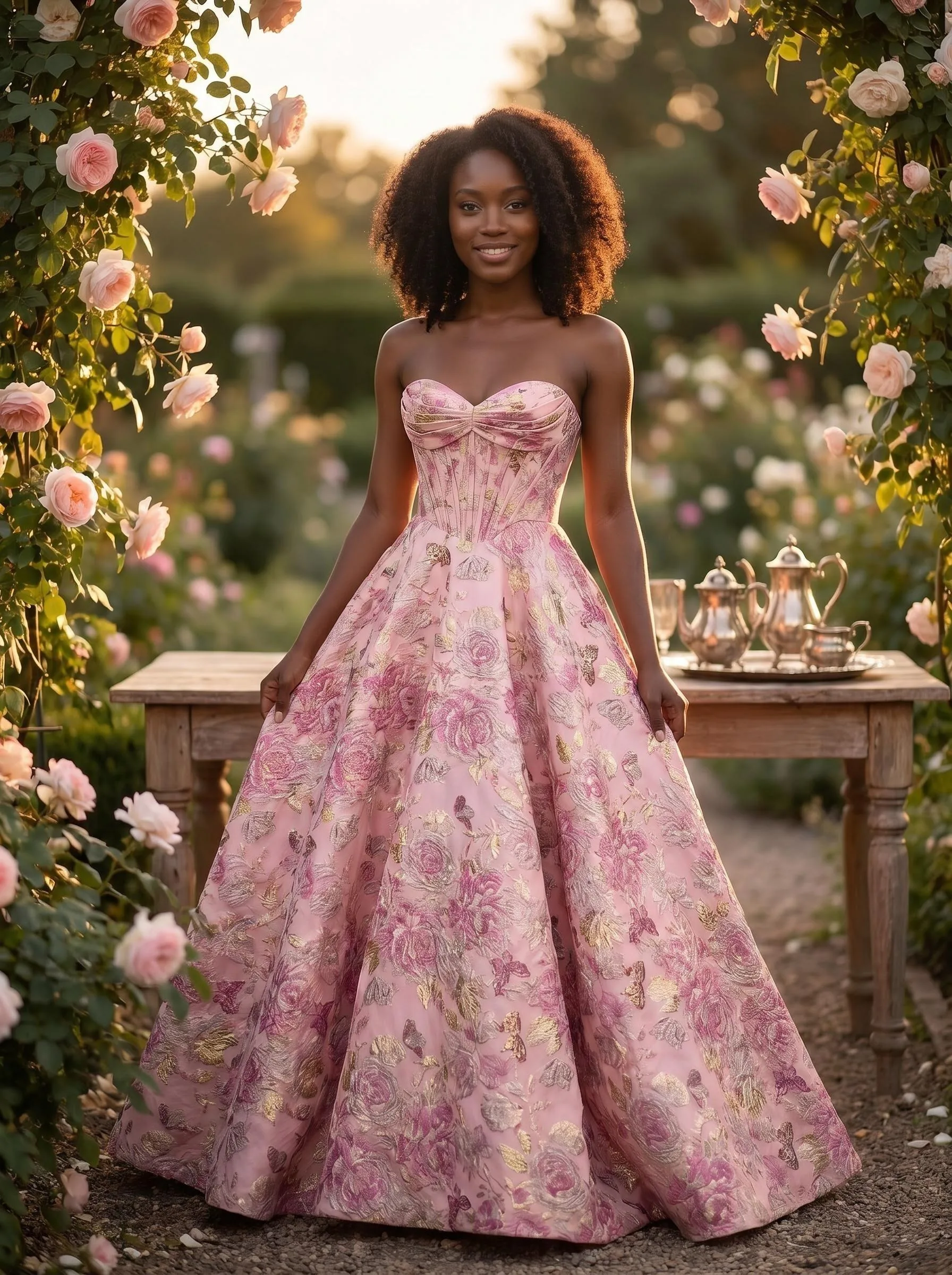
Fabric choice changes how a plus size gown feels. Softly structured satin, layered tulle, chiffon, lace over supportive lining, and stretch satin can all work well when the cut is right. The fabric should hold the design shape without feeling stiff, heavy, or unforgiving. Too much cling can highlight pulling. Too much stiffness can feel boxy. The best fabric depends on the silhouette and how much structure the bodice needs.
Details also matter. Vertical seams, balanced ruching, lace panels, and controlled skirt volume can create a polished line. Heavy horizontal bands, very thin straps on a heavy bodice, or poorly placed embellishment can make the gown harder to wear. A good custom formal gown uses fabric and structure together.
Why Made-to-Measure Can Cost Less Than Altering Later
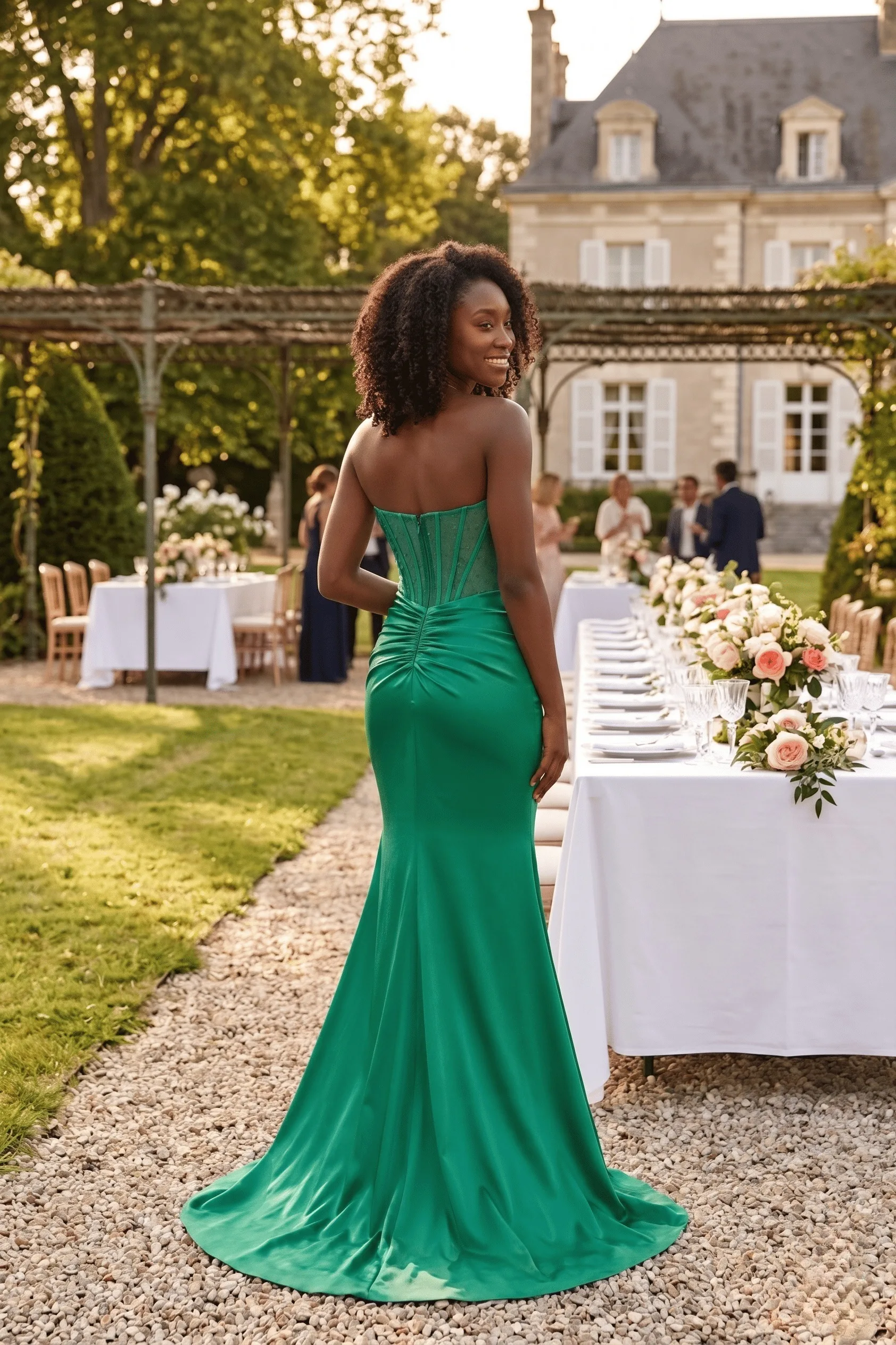
Many shoppers buy a standard gown and then pay for alterations because that feels like the normal process. But plus size formalwear alterations can become expensive quickly when multiple areas need work. Hemming, taking in the waist, adjusting the bust, changing straps, and reshaping a fitted skirt can stack up fast.
Made-to-measure sizing solves more of the fit problem at the beginning. It does not guarantee that every personal preference disappears, but it gives the gown a better starting point. For shoppers who usually need major alterations, that can make the total cost and timeline more predictable.
If you want a gown cut around your real measurements from the start, explore MashTiger custom formal gowns.
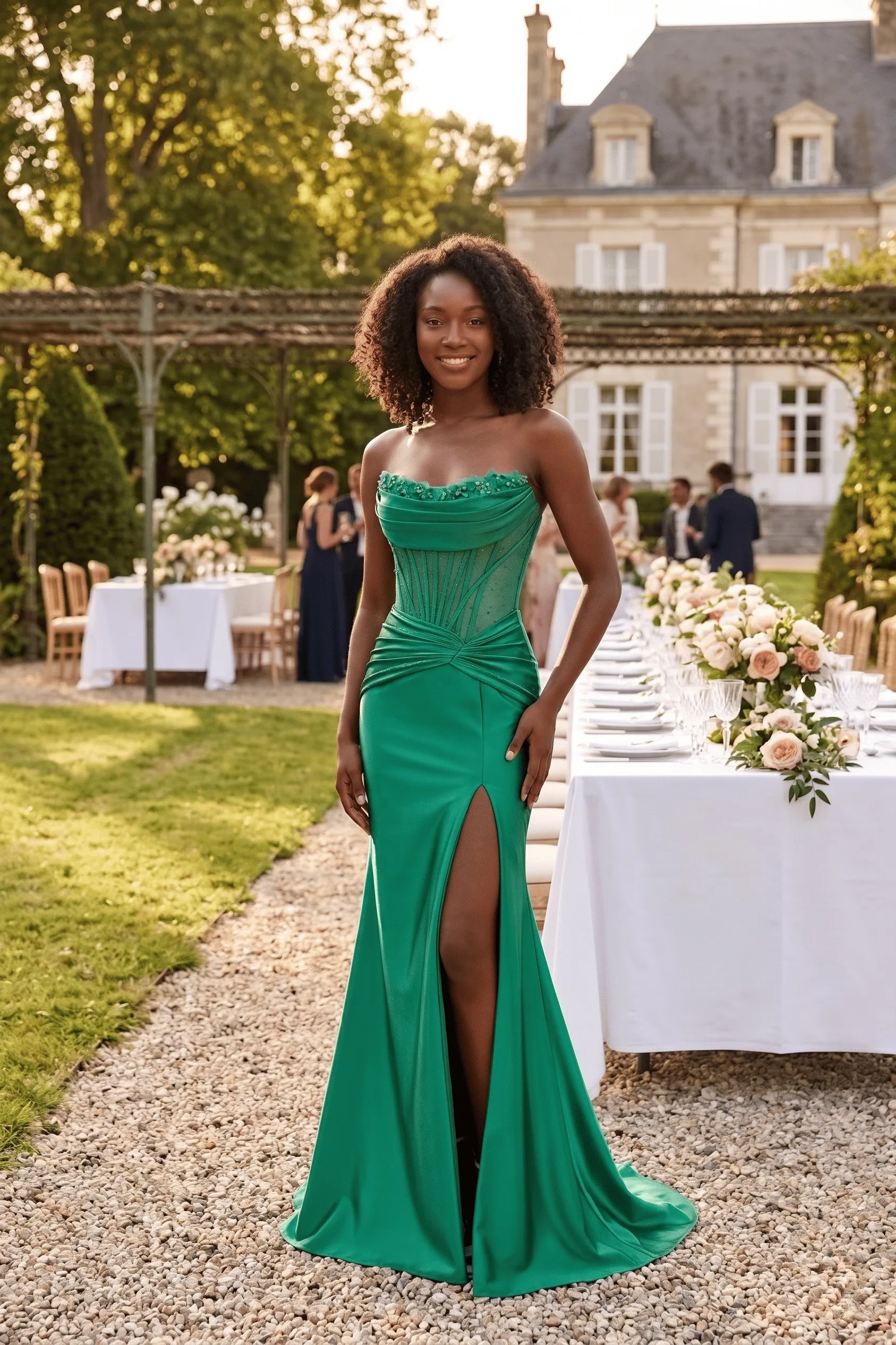
Emerald Strapless Corset Lace Mermaid Gown
Structured corset styling with custom hip and floor-length fit.
Shop styleRose Princess Ball Gown
A structured bodice and full skirt for balanced formal volume.
Shop styleDusty Blue Beaded Corset Gown
Defined support with made-to-measure length and proportion.
Shop styleWhat Our Customers Say
The dress matched the photos, fit perfectly, and needed no alterations because it was made to her measurements.
Paula, verified buyer via EtsyThe gown was beautifully made, had luxurious fabric, and fit exactly as expected.
Natalie, verified buyer via EtsyThe seller communicated clearly, responded quickly, and shipped the dress on time.
A.W., verified buyer via EtsyRead all reviews on our Etsy shop.
Frequently Asked Questions
What measurements matter most for a plus size formal gown?
Bust, waist, hips, shoulder-to-floor length, height, and heel height matter most. For fuller busts or curvier proportions, accurate bust placement and waist-to-hip balance are especially important.
Are custom measurements better than ordering a larger standard size?
Yes. Ordering a larger standard size often creates new problems at the shoulder, bust, waist, or hem. Custom measurements start with the actual body proportions instead of asking alterations to fix a generic size.
Which formal gown silhouettes work best for plus size bodies?
A-line, structured ball gowns, empire waist gowns, and well-supported mermaid gowns can all work. The best choice depends on bust support, waist placement, hip fit, fabric weight, and the event style.
Can plus size custom gowns still feel comfortable?
Yes. A made-to-measure gown should feel secure without pinching. Comfort comes from correct measurements, supportive bodice structure, enough room at the hips, and a hem length planned around shoes.
Do plus size custom gowns cost more?
Not necessarily. Many made-to-measure formal gowns are priced by design, fabric, and detail level rather than body size. Custom sizing can also reduce alteration costs after delivery.
Finding a plus size formal gown gets easier when fit is treated as a design requirement, not an afterthought. The right measurements help the neckline, waist, hip, support, and hem work together so the dress feels intentional from the first try-on. For the next step, read our custom gown measurement guide before choosing your style.
Made to Your Measurements
MashTiger gowns are cut to submitted measurements, helping plus size formalwear fit through the bust, waist, hips, and floor length without standard-size guessing.
Shop Custom Gowns